Best Personal Loan Rates in Tennessee — March 2026 Comparison
SM
Sarah Mitchell
Accredited Financial Counselor (AFC), Personal Finance Journalist · Updated March 2026

Sarah Mitchell
Accredited Financial Counselor (AFC), Personal Finance Journalist · Updated March 2026
Ever found yourself needing a little extra financial breathing room, maybe for home repairs, medical bills, or consolidating debt? Many Tennesseans turn to personal loans, and securing the best personal loan rates can save you hundreds – even thousands – of dollars over the life of the loan. This guide will break down the current landscape of personal loan rates in Tennessee in 2026, comparing options from credit unions, traditional banks, and online lenders to help you make an informed decision. According to recent data from the Federal Reserve, the average APR for a personal loan hovers between 8% and 13% nationwide, but these numbers vary significantly based on your creditworthiness and location. In Tennessee, typical loan amounts range from $500 to $20,000, with repayment terms commonly spanning 2 to 7 years. Approximately 45% of personal loans in Tennessee are used for debt consolidation, followed by 30% for unexpected expenses, and the remaining 25% for home improvements or other major purchases. It’s crucial to remember that these are averages, and your individual rate will depend on a variety of factors.
Navigating the world of personal loan rates starts with understanding where to look. Generally, you’ll find three main sources: credit unions, traditional banks, and online lenders. Credit unions often offer competitive rates for their members because they are not-for-profit organizations focused on serving their communities. However, you typically need to be a member to qualify, which may involve meeting specific criteria like living or working in a certain county. Banks provide the stability of a well-established institution and can sometimes offer relationship discounts if you’re an existing customer. Online lenders, on the other hand, are known for their convenience and speed; they often have broader eligibility requirements than traditional banks but might come with slightly higher APRs. For example, let's say you're looking at a $10,000 loan repaid over 36 months. A credit union might offer an APR of 9%, resulting in monthly payments around $302. The same loan from a bank could have an APR of 10.5%, with monthly payments of approximately $311. An online lender may offer the quickest approval, but at an APR of 12%, your monthly payment would increase to roughly $332. A common mistake borrowers make is failing to pre-qualify with multiple lenders to compare offers before applying. Pre-qualification allows you to see potential rates without impacting your credit score.
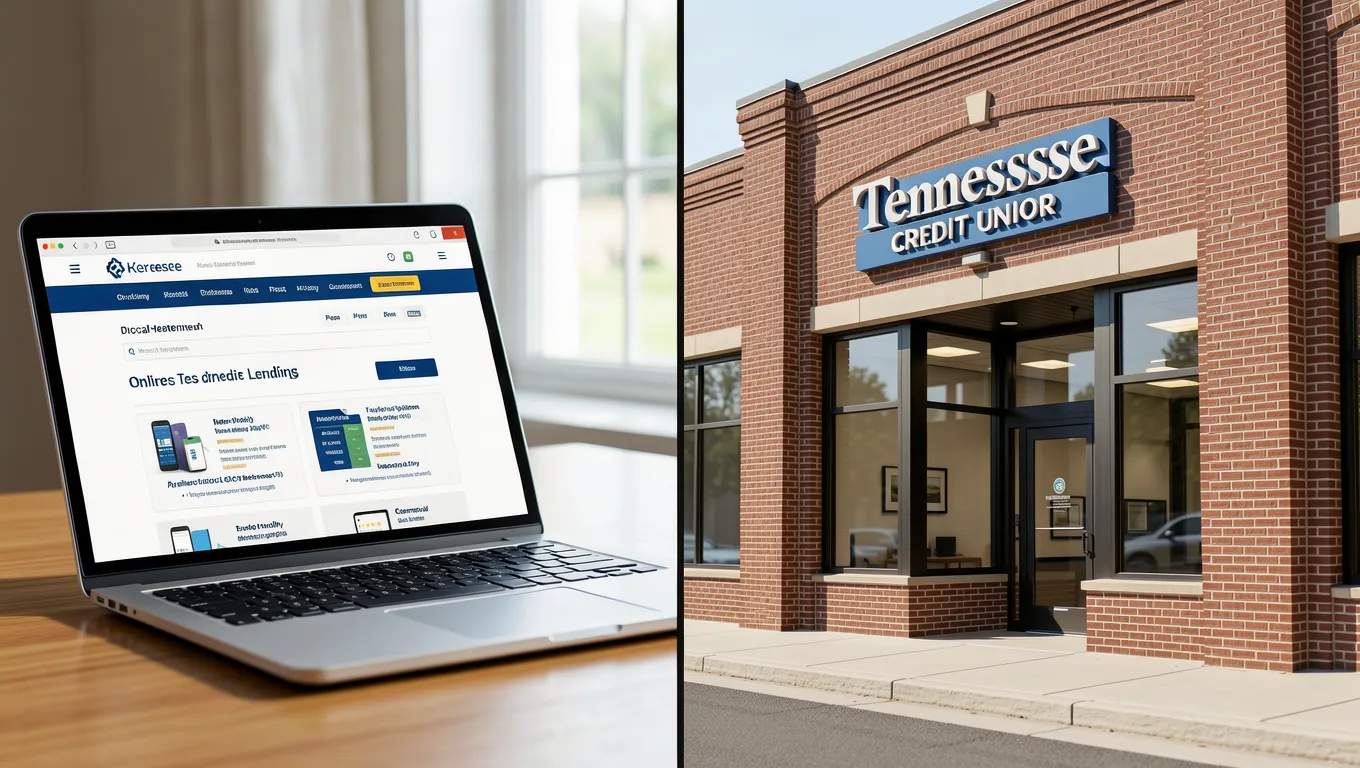
Let’s dive deeper into comparing these three lender types specifically for Tennessee residents in 2026. Credit unions tend to have the most favorable rates, especially if you qualify for membership and maintain a good relationship with the institution. They often prioritize personalized service and may be more willing to work with borrowers who have less-than-perfect credit. Banks offer a wider range of financial products alongside personal loans, which can be beneficial if you’re looking for bundled services. However, their approval process is typically stricter, and rates are generally higher than those offered by credit unions. Online lenders excel in convenience and accessibility; they often use technology to streamline the application process and provide quick funding decisions. For example, if you have a 650 credit score and need $8,000 for home renovations, a local Tennessee credit union might offer an APR of 10%. A large national bank could offer 11.5%, while an online lender may come in at 12.5%. Remember to factor in any origination fees or prepayment penalties when comparing total loan costs. It's also important to note that some online lenders specialize in borrowers with specific credit profiles, such as those with fair or bad credit.
Your personal loan rate isn’t just randomly assigned; several key factors influence it. The most significant is your credit score – lenders use this to assess your risk of default. A higher credit score generally translates to a lower APR. Your debt-to-income ratio (DTI) also plays a crucial role; lenders want to see that you have enough income to comfortably repay the loan. The loan amount and repayment term impact your rate as well; larger loans and longer terms typically come with higher interest rates. According to Experian, borrowers with credit scores between 720 and 850 receive the best personal loan rates. Let’s compare two scenarios: Borrower A has a credit score of 740, a DTI of 30%, and is applying for a $5,000 loan. Borrower B has a credit score of 620, a DTI of 45%, and is applying for the same $5,000 loan. Borrower A could qualify for an APR as low as 8.5%, while Borrower B might only be offered rates starting at 14% or higher. Warning: Failing to accurately assess your credit score and DTI before applying can lead to disappointment and potentially damaging hard inquiries on your credit report.
If you have a good credit score (670+), you’re in a strong position to secure competitive personal loan rates in Tennessee in 2026. Credit unions and online lenders are typically the best options for borrowers with excellent credit. Many online lenders cater specifically to those with high scores, offering APRs as low as 7% to 10% on loans up to $50,000. Local Tennessee credit unions often provide even more personalized rates for their members. Banks may also offer favorable terms, but their approval process is usually stricter. For example, a borrower with a 760 credit score could qualify for a $15,000 loan at an APR of 8.25% from an online lender, resulting in monthly payments of approximately $290. Consider exploring both local and national lenders to maximize your chances of finding the best rate.
Securing a personal loan with fair credit (580–669) can be more challenging, but it’s still possible. Online lenders specializing in borrowers with fair credit are your best bet in 2026. These lenders typically offer APRs ranging from 12% to 18%. Some Tennessee credit unions may also work with borrowers who have less-than-perfect credit, but you might need to be a member for a certain period before qualifying. Traditional banks are generally less willing to approve loans for those with fair credit. For example, if you have a 620 credit score and need $3,000 for unexpected medical expenses, an online lender could offer an APR of 14%. Be prepared to pay higher interest rates and potentially origination fees.
Getting a personal loan with bad credit (below 580) is the most difficult scenario. Many lenders won’t approve loans to borrowers with very low credit scores. However, some online lenders specialize in bad credit personal loans, but expect extremely high APRs – often exceeding 36%. Payday loans and title loans should be avoided at all costs due to their predatory interest rates and fees. Consider working on improving your credit score before applying for a loan if possible. For example, you might qualify for a secured loan (backed by collateral) which could offer lower rates than an unsecured personal loan. Be extremely cautious of lenders offering guaranteed approval with bad credit; these are often scams.
Want to snag the lowest possible personal loan rate? Here’s your action plan for 2026. First, improve your credit score – pay bills on time, reduce your credit utilization ratio, and dispute any errors on your credit report. Second, reduce your debt-to-income ratio (DTI) by paying down existing debts or increasing your income. Third, consider adding a co-signer with good credit to your application – this can significantly improve your chances of approval and lower your rate. Finally, and most importantly, compare offers from at least three different lenders before making a decision. Don’t settle for the first offer you receive.
Ready to see personalized loan options? Our Tennessee loan rate comparison tool helps you quickly find lenders offering rates tailored to your specific credit profile and financial needs. Simply enter your desired loan amount, repayment term, and a few basic details to receive multiple quotes from top Tennessee lenders. It’s free, easy to use, and won't impact your credit score! Click here to compare rates today. At TennesseeLoans, we believe in empowering you with the information you need to make smart financial decisions.