Tennessee Debt Consolidation Guide — Options, Laws & Tips for 2026
KM
Katy McWhirter
Finance & Loans Editor · Updated October 2026

Katy McWhirter
Finance & Loans Editor · Updated October 2026
Are you feeling overwhelmed by multiple debts in Tennessee? You’re not alone. The average Tennessean seeking debt relief carries $54,700 in debt with a 585 FICO score. Debt consolidation is a common strategy to simplify payments and potentially lower your overall interest costs. This guide will walk you through everything you need to know about debt consolidation in Tennessee for 2026, covering available options, important state laws, and how to avoid pitfalls. Understanding these tools can give you the tools to take control of your finances.
The core concept of debt consolidation is combining several debts—like credit cards, medical bills, or personal loans—into a single new loan with potentially more favorable terms. This simplifies budgeting because you only have one payment to manage each month. However, it’s important to note that debt consolidation isn't a magic bullet; it requires careful planning and consideration of your individual financial situation. Different options exist, ranging from personal loans to balance transfers and debt management plans.
The typical loan amounts for debt consolidation in Tennessee range from $2,000 to $35,000, depending on your creditworthiness and income. APRs can vary significantly—from around 8% to 36%—so shopping around is crucial. In 2026, we’re seeing a growing trend of lenders offering specialized debt consolidation loans matched to specific types of debt, like student loan consolidation or high-interest credit card relief. Remember that qualifying for the best rates usually requires a good credit score and stable income.
Debt consolidation can be beneficial if you have multiple debts with varying interest rates, but it’s not right for everyone. If your debts are manageable, or if you struggle with overspending, debt consolidation might not address the underlying issues causing financial strain.
Before looking at options, let’s examine the current debt situation in Tennessee. As we said before, the average Tennessean who needs help owes $54,700 and has a FICO score of 585. This shows many people are dealing with a lot of debt and might not have many credit choices. Credit card debt is still a big problem, as Tennessee households typically carry around $5,200 in balances. Medical bills also cause significant financial difficulty, even for those who have insurance.
One thing borrowers often do wrong is underestimate how much they owe overall. Spend time making a complete list of all your debts—including the original amount, interest rates, and smallest payments. For example, imagine you have three credit cards: $3,000 at 18% APR, $2,000 at 22% APR, and $1,500 at 15% APR. Combining these into one loan with a 14% APR could save you money on interest over time.
Here’s how to figure out potential savings: First, find your total monthly payments for all debts. Then, look at ways to combine your debt and calculate the monthly payment for a new loan that covers the same amount. Compare those numbers—and remember to include any costs related to combining your debts. For example, if you currently pay $200 each month, and a debt consolidation loan offers a $175 monthly payment, you’d save $25 per month.
It's also important to know the different kinds of credit scores (like FICO versus VantageScore) and how lenders judge risk. A 680 FICO score usually gets better rates than a 620 score. Finally, remember that debt numbers are averages; your own situation could be very different.
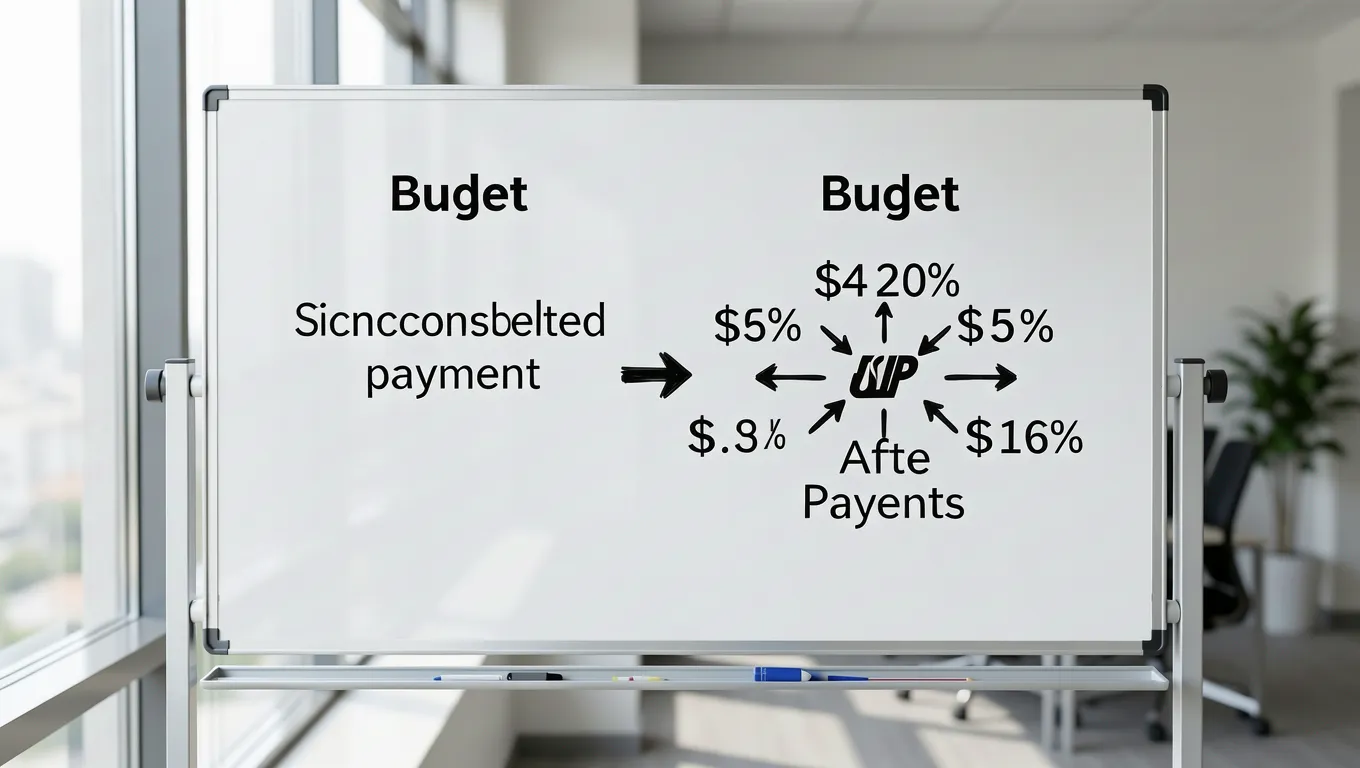
Choosing the right debt relief option depends on your financial circumstances and goals. Personal loans are a popular choice, offering fixed interest rates and predictable monthly payments. Balance transfers involve moving high-interest debt to a credit card with a lower introductory APR. Debt management plans (DMPs) work through a credit counseling agency to negotiate lower interest rates with creditors—but may require closing your credit accounts.
For example, if you have a 650 credit score and need $8,000 for consolidation, you could explore personal loans from local banks or online lenders. Carefully compare APRs, fees, and repayment terms before making a decision. A balance transfer might be suitable if you have good credit and can qualify for a 0% introductory APR offer—but pay attention to the duration of the promotional period and any balance transfer fees.
A key decision framework: Assess your credit score. If it’s above 680, explore personal loans and balance transfers. If it’s lower, consider DMPs or secured loans (backed by collateral). Next, evaluate your monthly income and expenses to determine how much you can comfortably afford to repay each month. Finally, research different lenders and compare their offerings—using online tools like rate comparison websites.
You should remember that debt consolidation isn’t a one-size-fits-all solution. If you’re struggling with significant income issues or have complex financial problems, consider seeking professional help from a qualified financial advisor.
Tennessee has specific laws governing debt consolidation and relief services. The Tennessee Uniform Debt-Management Services Act regulates debt settlement companies, requiring them to be licensed and adhere to certain standards of conduct. This law aims to protect consumers from predatory practices and deceptive marketing tactics.
The statute of limitations on debt in Tennessee varies depending on the type of debt (see table below). This means creditors have a limited time frame to sue you for unpaid debts. However, even after the statute of limitations expires, they may still attempt to collect the debt—but they can’t file a lawsuit.
| Debt Type | Statute of Limitations | |---|---| | Credit Card Debt | 4 years | | Medical Debt | 3 years | | Personal Loans | 6 years | | Auto Loans | 6 years |
Warning: Even if a debt is past the statute of limitations, making a payment or acknowledging the debt can restart the clock. Always consult with an attorney before taking any action on old debts.
The Federal Reserve provides valuable resources on consumer credit laws and regulations—which apply in Tennessee as well (www.federalreserve.gov). The CFPB also offers guidance on managing debt and avoiding scams (www.consumerfinance.gov).
Taking the first step towards debt consolidation can feel daunting, but it’s a positive move toward financial freedom. Start by gathering your debt information and assessing your credit score. Research different lenders and compare their offerings—paying close attention to APRs, fees, and repayment terms. Remember that shopping around is crucial.
The TennesseeLoans marketplace connects you with multiple lenders offering various debt consolidation options for 2026. You can easily compare rates and find a loan that fits your needs. Explore the resources available on our website—including articles and calculators—to help you make informed decisions. Don't hesitate to reach out to us if you have any questions.
Taking control of your debt is possible with careful planning and the right tools. Start today, and take a step towards a brighter financial future!
You may also want to review payday loan alternatives tennessee and online loans tennessee before deciding what works best.