How to Get a Personal Loan in Tennessee — Step-by-Step Guide
SM
Sarah Mitchell
Accredited Financial Counselor (AFC), Personal Finance Journalist · Updated March 2026

Sarah Mitchell
Accredited Financial Counselor (AFC), Personal Finance Journalist · Updated March 2026
Imagine you've got a sudden car repair bill, or maybe you’re dreaming of finally tackling that home renovation project. For many Tennesseans, a personal loan can be the perfect solution to bridge financial gaps and make those goals a reality. But navigating the world of loans can feel overwhelming, especially if you aren't familiar with the process. This guide will walk you through each step of getting a personal loan in Tennessee for 2026 – from understanding your credit score to receiving your funds. According to data from the Federal Reserve, the average APR on a personal loan in early 2026 is between 8% and 14%, though this can vary significantly based on your creditworthiness. The typical loan amount requested by Tennessee borrowers falls in the $2,000 - $5,000 range, with repayment terms generally spanning from 2 to 5 years. In 2026, approximately 38% of Tennessee adults have a credit score below 670, which can impact their loan options and interest rates. Knowing where you stand is the crucial first step. We'll show you how to check your credit, determine your borrowing needs, compare lenders, and ultimately secure the best possible loan terms for your situation.
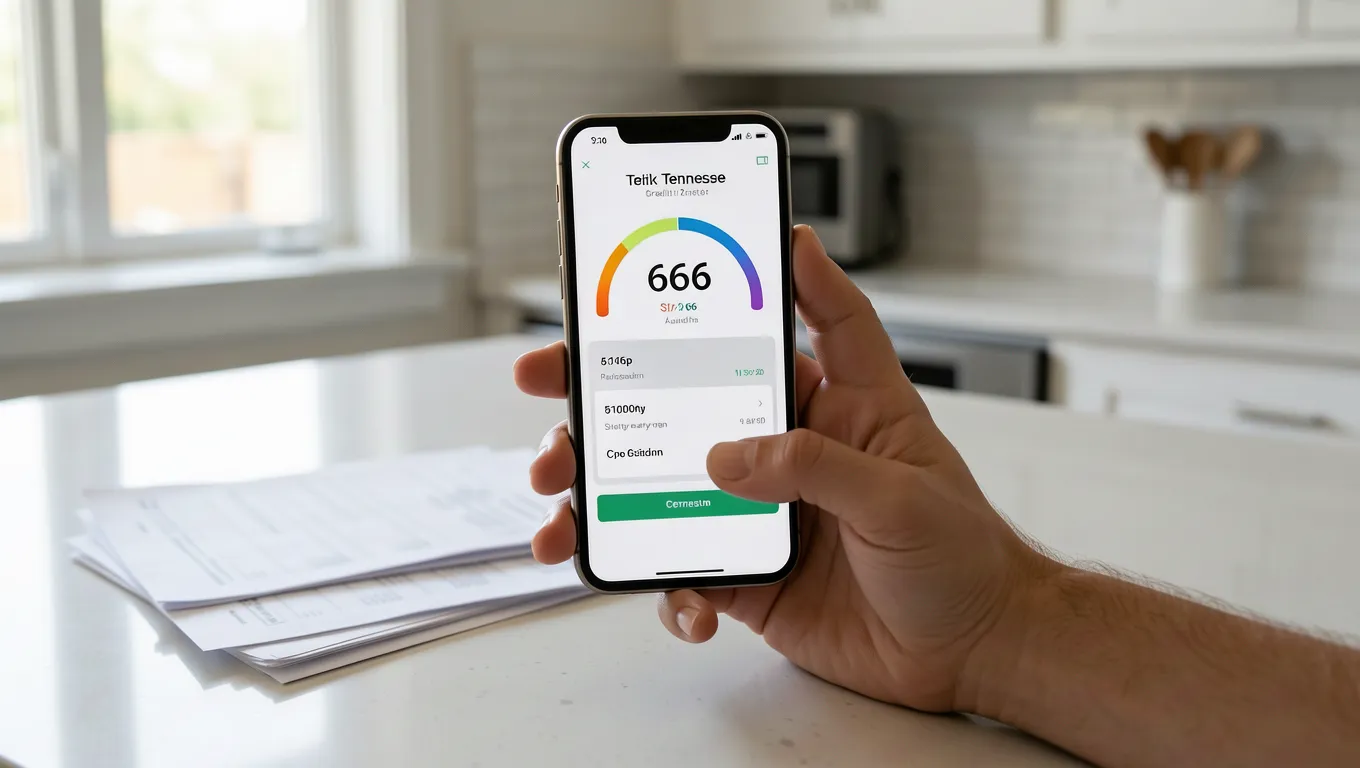
Your credit score is arguably the most important factor lenders consider when evaluating your application. It's a three-digit number that reflects your credit history – how reliably you’ve paid past debts, the amount of debt you owe, and the length of your credit history. In Tennessee, as elsewhere, lenders typically use scores from Experian, Equifax, and TransUnion. You are entitled to a free copy of your credit report from each bureau annually at AnnualCreditReport.com. Scores generally fall into these ranges: Excellent (720-800+), Good (690-719), Fair (650-689), and Poor (below 650). A higher score translates to lower interest rates and more favorable loan terms. For example, a borrower with an Excellent credit score of 750 could qualify for a $10,000 loan at 8% APR over 36 months, resulting in monthly payments around $290. The same $10,000 loan at 12% APR (for someone with Fair credit) would have monthly payments of approximately $332. Common mistakes include not checking your report for errors before applying and assuming you know your score without verifying it. Addressing any inaccuracies on your report can significantly improve your chances of approval.
Before you start comparing lenders, take a realistic look at how much money you actually need. Borrowing more than necessary means paying unnecessary interest, while borrowing too little could leave you short and struggling. Create a detailed budget outlining your expenses and the specific purpose of the loan – car repairs, medical bills, debt consolidation, etc. It’s also important to consider your ability to comfortably repay the loan. Lenders want to see that you have sufficient income to handle monthly payments without straining your finances. For example, if you need $8,000 for a home improvement project and earn $4,000 per month after taxes, ensure your total debt obligations (including the new loan payment) don't exceed 36-43% of your income – roughly $1,440 to $1,720. Don’t overestimate your ability to repay. Use a personal loan calculator (available on our Tennessee Personal Loans hub) to see how different loan amounts and repayment terms affect your monthly payments and total interest paid. Avoid the temptation of taking the maximum amount offered; focus on what you truly need.
Not all lenders are created equal! In Tennessee, you have a range of options, including traditional banks and credit unions, online lenders, and peer-to-peer lending platforms. Each has its own advantages and disadvantages. Banks and credit unions often offer competitive rates to existing customers but may have stricter requirements. Online lenders provide convenience and speed but can sometimes come with higher APRs. Peer-to-peer platforms connect borrowers directly with investors, potentially offering lower rates but also longer funding times. Compare at least three to five lenders based on APR, loan terms, fees (origination fees, prepayment penalties), and customer service reviews. For instance, Lender A might offer a slightly lower APR of 9%, but charge a hefty origination fee of 5% of the loan amount. Lender B could have an APR of 10% but no origination fee. Calculate the total cost of each loan to determine which is truly the best deal. Remember to also check if the lender is properly licensed and verified by the Tennessee Department of Financial Institutions (TDFI) at tdfi.state.tn.us – this ensures they operate legally within the state.
Once you’ve chosen a lender, it's time to prepare your application materials. Most lenders will require proof of identity (driver’s license, passport), proof of income (pay stubs, tax returns), and proof of address (utility bill). They may also request bank statements or information about any existing debts. Having these documents readily available streamlines the application process and minimizes delays. Pathway Lending is a Tennessee-based nonprofit organization that offers loans to individuals with less-than-perfect credit – they can be an excellent option if you’re struggling to qualify elsewhere. Ready to apply? Compare Tennessee lenders now, see rates and terms tailored to your situation, and find the loan that fits your needs! We connect you with a wide network of trusted lenders throughout the state. Don't wait any longer to take control of your finances – start your journey towards securing a personal loan in 2026 today!